
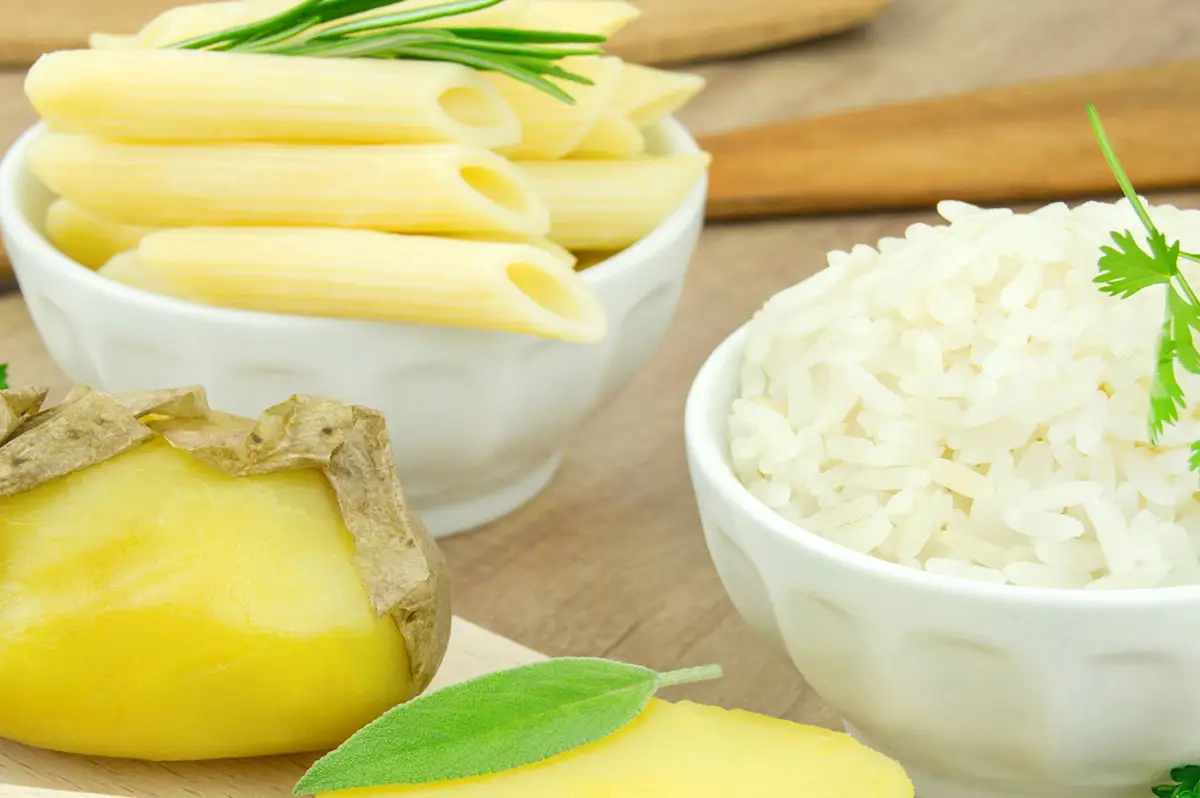
When most people hear the word starch, they immediately think of carbs to avoid — white bread, pasta, or potatoes. But not all starches are created equal. In fact, one type of starch — resistant starch — can actually support your health, improve digestion, and even help with weight management.
What Is Resistant Starch?
Resistant starch is a special type of carbohydrate that “resists” digestion in the small intestine. Instead of breaking down into glucose like regular starch, it travels to the large intestine, where it becomes food for your beneficial gut bacteria.
Think of it like fiber for your microbiome — feeding the good bacteria that keep your gut (and your immune system) healthy.
Types and Sources of Resistant Starch
There are several natural sources of resistant starch — and you’re probably already eating some of them:
- Cooked and cooled potatoes or rice (chilling them changes the starch structure)
- Green bananas or plantains
- Oats (especially overnight oats)
- Legumes such as lentils, chickpeas, and black beans
- Potato starch or green banana flour (used as supplements in smoothies or baking)
Pro tip: The process of cooking and cooling — known as retrogradation — actually increases resistant starch. So, that leftover potato salad? Surprisingly gut-friendly.
Health Benefits
- Improved Gut Health: Resistant starch acts as a prebiotic, helping your microbiome produce short-chain fatty acids like butyrate, which reduce inflammation and protect colon cells.
- Better Blood Sugar Control: Because it’s digested slowly, resistant starch has a lower glycemic impact, helping stabilize blood sugar levels.
- Increased Fullness: It may help you feel satisfied longer, supporting healthy weight management.
- Enhanced Metabolism: Some research suggests that butyrate and improved insulin sensitivity from resistant starch can support fat metabolism and energy balance.
How to Add It to Your Diet
Start slow — about 1–2 tablespoons of potato starch or a serving of resistant-starch-rich foods daily — and build up as your gut adjusts. Try adding:
- Chilled rice or potatoes to salads
- Overnight oats for breakfast
- Lentils or chickpeas to soups
- A spoonful of green banana flour in your smoothie
The Takeaway
Resistant starch isn’t a diet fad — it’s a science-backed way to improve gut health, balance blood sugar, and enhance overall wellness. It’s a reminder that sometimes, the right carbs can actually help you feel and function your best.