When it comes to building healthier habits, one nutrition strategy that continues to stand out is focusing on a high-protein, low-fat diet. Whether your goal is weight loss, muscle gain, or simply feeling your best, protein plays a critical role in how your body functions, recovers, and performs. Pairing it with lower fat intake can help support balanced energy and long-term wellness.
Why Protein Matters
Protein is often called the building block of life — and for good reason. It supports nearly every process in the body, from repairing muscle tissue and strengthening hair, skin, and nails, to keeping your immune system running strong. Unlike carbohydrates and fats, protein also has a powerful impact on satiety (how full you feel).
- Keeps you fuller, longer: Protein-rich meals stabilize blood sugar and reduce cravings, making it easier to avoid unnecessary snacking.
- Supports lean muscle: Essential for building and maintaining muscle mass, which in turn boosts your metabolism.
- Aids recovery: After workouts or even daily activity, protein speeds up tissue repair and reduces soreness.
Why Lower Fat Intake Can Help
While fats are an important nutrient, too much (especially from processed sources) can contribute to weight gain and increase risks for heart disease. By moderating fat intake, particularly saturated and trans fats, you’re able to:
- Reduce excess calorie intake (since fat is the most calorie-dense macronutrient).
- Improve cardiovascular health.
- Create room in your diet for nutrient-rich proteins, vegetables, and whole grains.
Benefits of a High-Protein, Low-Fat Diet
- Weight Management: Protein requires more energy to digest, giving your metabolism a natural boost. Pairing this with lower fat intake often helps with sustainable weight loss.
- Stable Energy: Protein slows digestion, keeping energy levels steady without the crash that comes from high-carb, high-fat meals.
- Body Composition: More protein supports lean muscle, while fewer unhealthy fats reduce excess body fat, helping you achieve a toned, healthier physique.
- Disease Prevention: Lower fat diets can reduce risks of high cholesterol, hypertension, and type 2 diabetes.
Smart Choices for Everyday Life
Following a high-protein, low-fat approach doesn’t have to be complicated. A few simple swaps can make a big difference:
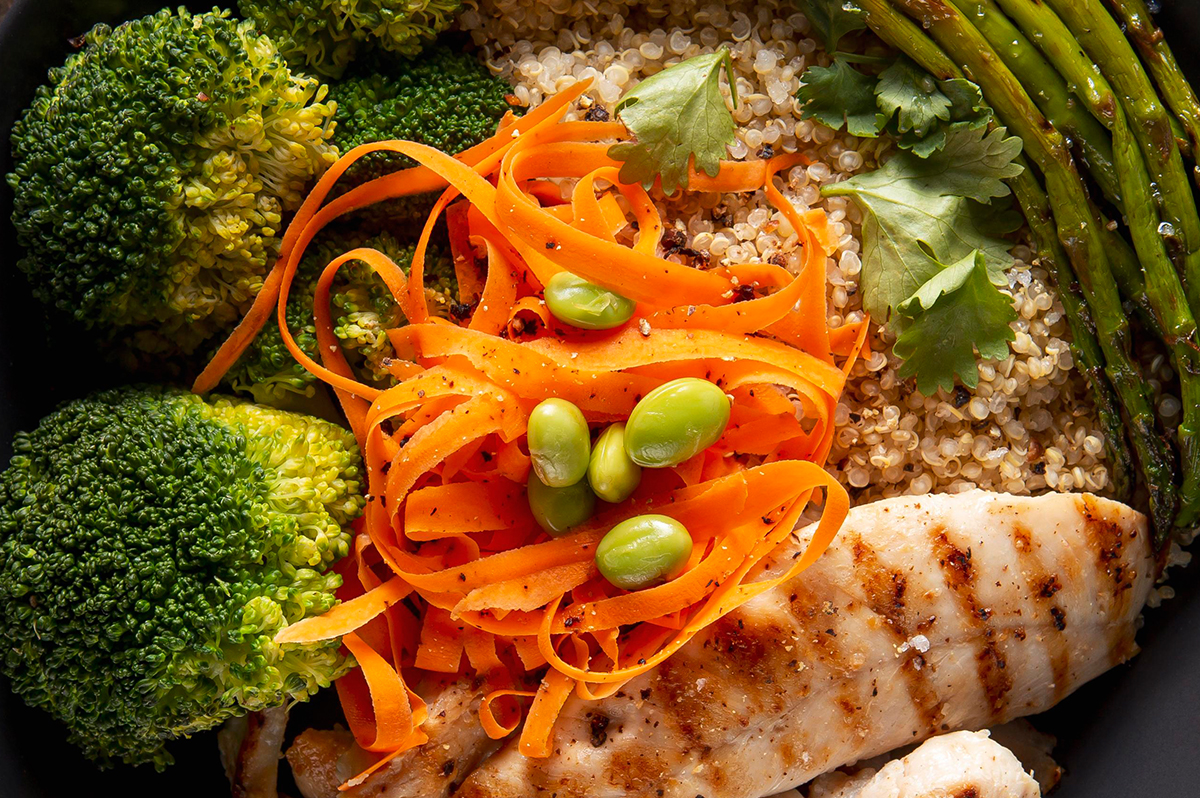
- Choose lean meats like chicken, turkey, or fish over higher-fat cuts.
- Incorporate plant-based proteins such as beans, lentils, and edamame.
- Add low-fat dairy like Greek yogurt or cottage cheese for snacks.
- Swap fried foods for grilled, baked, or air-fried options.
- Load your plate with vegetables for added nutrients and fiber.
The Bottom Line
A high-protein, low-fat diet isn’t about restriction — it’s about balance and fueling your body well. By emphasizing lean protein sources and limiting unhealthy fats, you’re setting yourself up for improved energy, healthier weight management, stronger muscles, and better overall wellness.
Every step toward smarter nutrition is an investment in your future self. Start small, stay consistent, and you’ll feel the difference.